روضة العلم
An Online Islamic Institute

Sequential study of the Islamic sciences.

Structured programs in Arabic, Quran, Aqeedah (Tawhid), Fiqh, Hadith, and Tafsir — taught by instructors with verified chains of transmission, in the manner of the traditional academies.
الفجوة المعرفية
The Problem

Most online Islamic learning is fragmented, shallow, and unrooted.

No sequence.

Self-directed study skips prerequisites. Topics arrive out of order. Gaps form quietly and compound.

No depth.

Tutorials and short videos optimize for engagement, not mastery. Material is summarized rather than studied.

No chain.

Knowledge passed without verification loses its weight. The traditional sciences require teachers, not just texts.

البرامج
Programs of Study

Six disciplines, taught in sequence.

Each program is structured by level. Students progress only after demonstrating mastery of prerequisites — a return to how the sciences have always been taught.

Arabic Language

اللغة العربية

Foundational to advanced morphology, syntax, and rhetoric — the prerequisite for serious study of the sciences.

FoundationalIntermediateAdvanced

Quran

القرآن الكريم

Tajweed, hifdh, and recitation under instructors with verified chains of transmission. Students choose one level at the start, according to the pace they can sustain.

Level 1 · 2 yrs 6 moLevel 2 · 1 yr 8 moLevel 3 · 8–9 moLevel 4 · 6–7 mo

Aqeedah (Tawhid)

العقيدة (التوحيد)

Classical creedal texts studied sequentially, from the foundations through the matn-level treatises.

FoundationalIntermediateAdvanced

Fiqh

الفقه

Jurisprudence by madhhab, taught from primary sources with attention to evidences and methodology.

FoundationalIntermediateAdvanced

Hadith

الحديث

Study of the prophetic tradition — its sciences, its principal collections, and its transmission.

FoundationalIntermediateAdvanced

Tafsir

التفسير

Exegesis of the Quran drawing on the classical commentaries and the methodology of the early scholars.

FoundationalIntermediateAdvanced
المنهج
Our Methodology

How the institute teaches.

— 01

Sequential Study

الدراسة المتدرجة

Topics arrive in their proper order. Each level rests on what was demonstrated at the level below. Nothing is skipped, nothing is rushed.

— 02

Classical Sources

المصادر الأصلية

Material is drawn from the recognized texts of the discipline, not summarized digests. Students engage with the books that have shaped the tradition.

— 03

An Earned Diploma

الشهادة المستحَقَّة

The institute welcomes every student willing to learn, at any level. What is selective is the diploma itself: it is earned, awarded only after a thorough and continuous evaluation of the student throughout their enrollment — never granted automatically.

هيئة التدريس
Faculty

Instructors with verified chains.

Each instructor holds traditional authorization in the disciplines they teach and is experienced in delivering a structured, sequential curriculum.

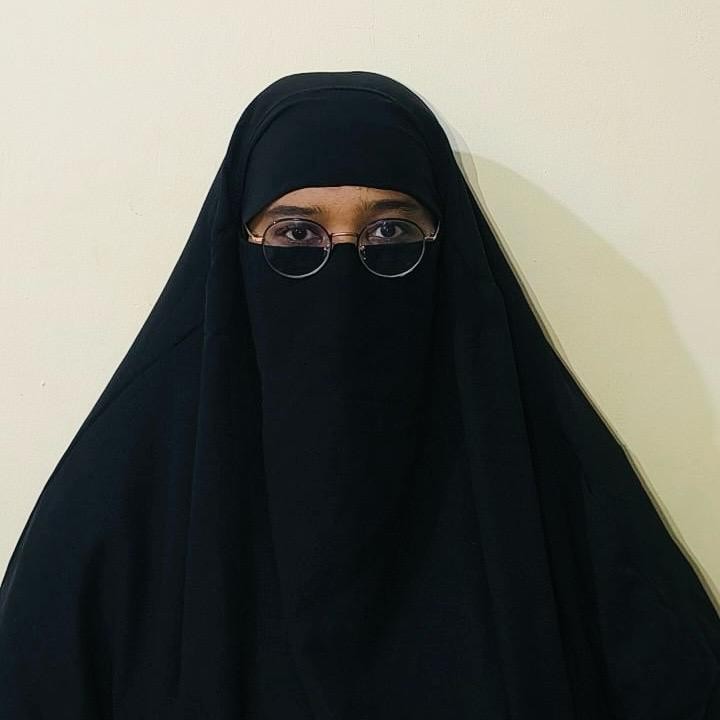
Mandek Mahamoud Nour
Founder & Faculty

Mandek Mahamoud Nour

مانديق محمود نور

Hafidhah of the Quran, founder of Rawdat Al-Ilm, and Islamic speaker. She has undertaken structured study across the principal Islamic sciences — fiqh, aqeedah, tafsir, and hadith. She oversees the institute's curriculum from Turkey and works to keep the teaching clear and sequential. She is currently pursuing studies in Tafsir of the Noble Quran and ʿIlm al-Qirāʾāt, the science of the authenticated readings of the Quran. Her vision gives the institute its calm and serious character as a place of learning.

Teaches
Quran (hifdh & tajwid), Fiqh, Aqeedah (Tawhid), Hadith, Arabic Language, Qawāʿid Fiqhiyyah (legal maxims)
Languages
English, Arabic, French, Somali, Turkish
Ijazah
Quran — Hafs ʿan ʿĀṣim, Tajwid, Aqeedah (Tawhid), Fiqh, Ilm al-Adab
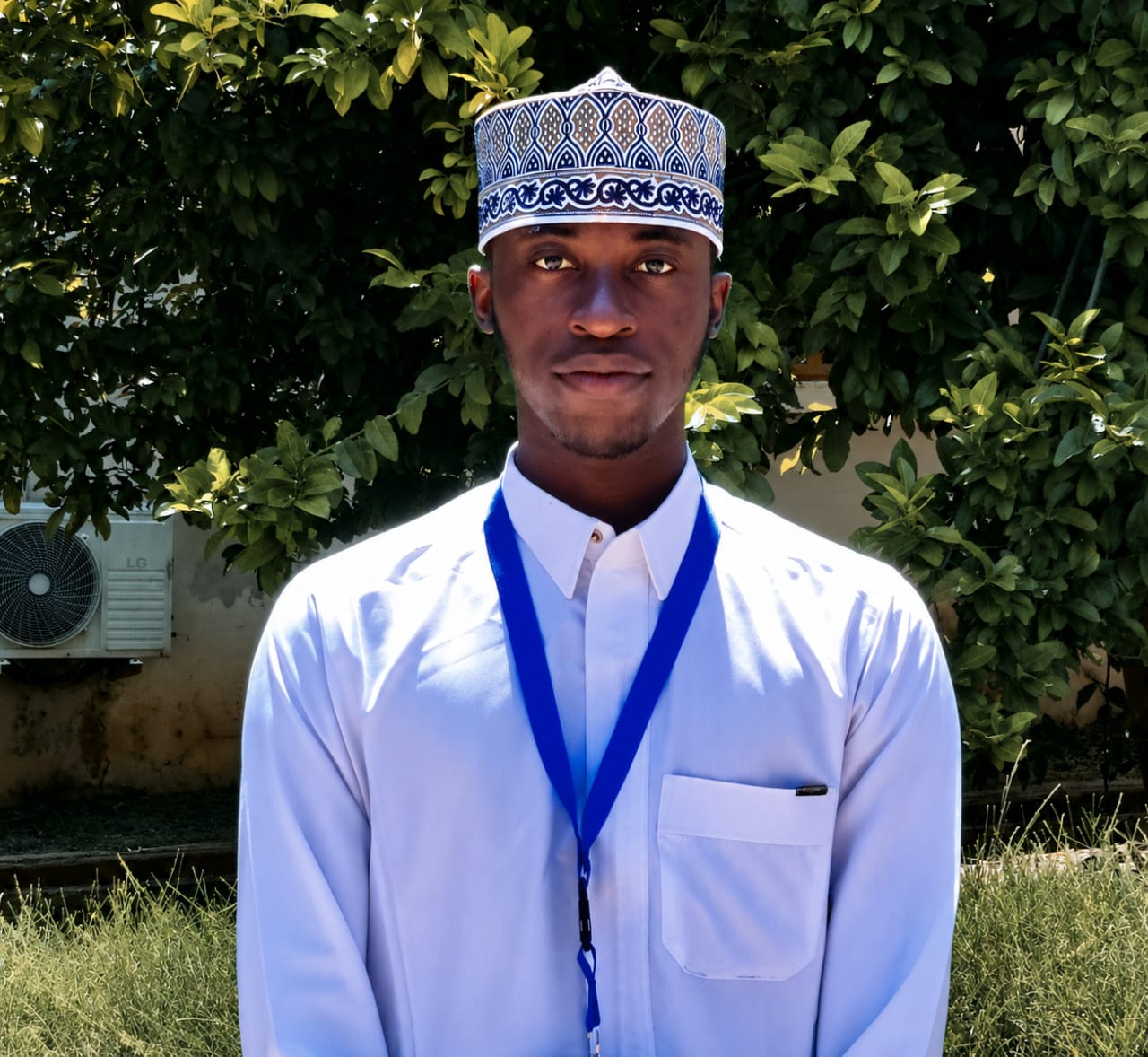
Ibrahim Al-Haydi
Faculty

Ibrahim Al-Haydi

إبراهيم الحيدي

Hafiz of the Quran currently pursuing advanced studies in the Islamic sciences in Saudi Arabia. He teaches across the full Kulliyyat Al-Aqeedah wa Usul Ad-Din curriculum, spanning fiqh, aqeedah, and hadith. Engages in educational outreach aimed at encouraging structured Islamic learning.

Teaches
Quran (hifdh & tajwid), Fiqh, Aqeedah (Tawhid), Hadith, Tafsir — covering the full Kulliyyat Al-Aqeedah wa Usul Ad-Din curriculum
Languages
Arabic, French, Somali, English
Ijazah
Quran — Hafs ʿan ʿĀṣim, Aqeedah (Tawhid), Tazkiyah, Fiqh
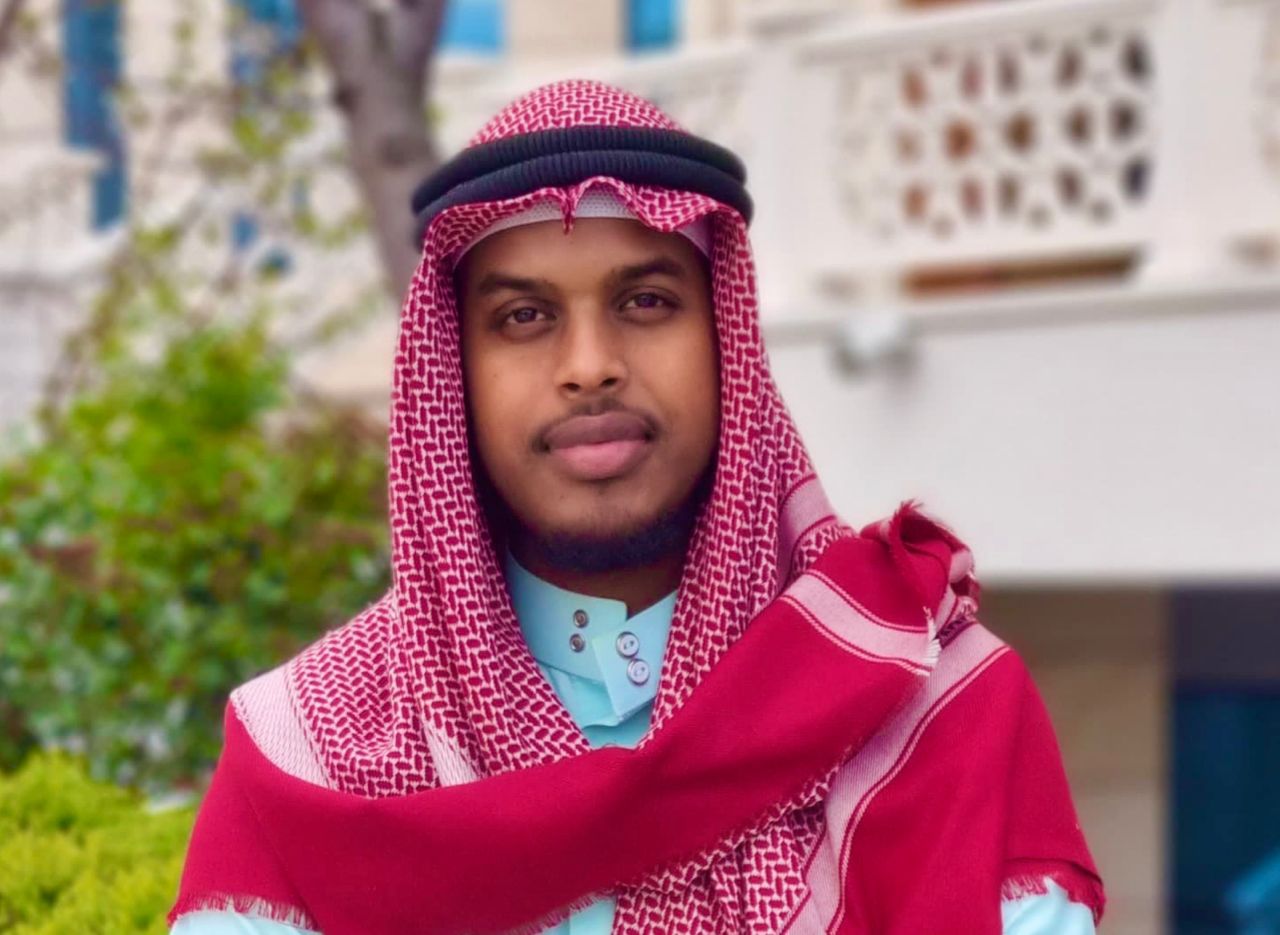
Sheriffdeen Abdulrahman
Faculty

Sheriffdeen Abdulrahman

شريف الدين عبد الرحمن

Sheriffdeen Abdulrahman is a hafiz of the Noble Quran and a teacher from Nigeria, specialising in teaching Quran and tajwid to students at every level, both in person and online. He is currently pursuing studies in the Islamic sciences — tafsir, tajwid, fiqh, aqeedah, and hadith — with a specialisation in the science of the Quranic readings (ʿIlm al-Qirāʾāt). He has also competed in numerous international Quran memorisation and recitation competitions, which have deepened his experience and his path.

Teaches
Quran (hifdh & recitation), Tajwid, Aqeedah (Tawhid), ʿUlūm al-Qurʾān, Arabic Language, Nahw (grammar), Sarf (morphology)
Languages
Arabic, English, Yoruba
Ijazah
Quran — Hafs ʿan ʿĀṣim and Shuʿba ʿan ʿĀṣim, Tajwid, Aqeedah (Tawhid)
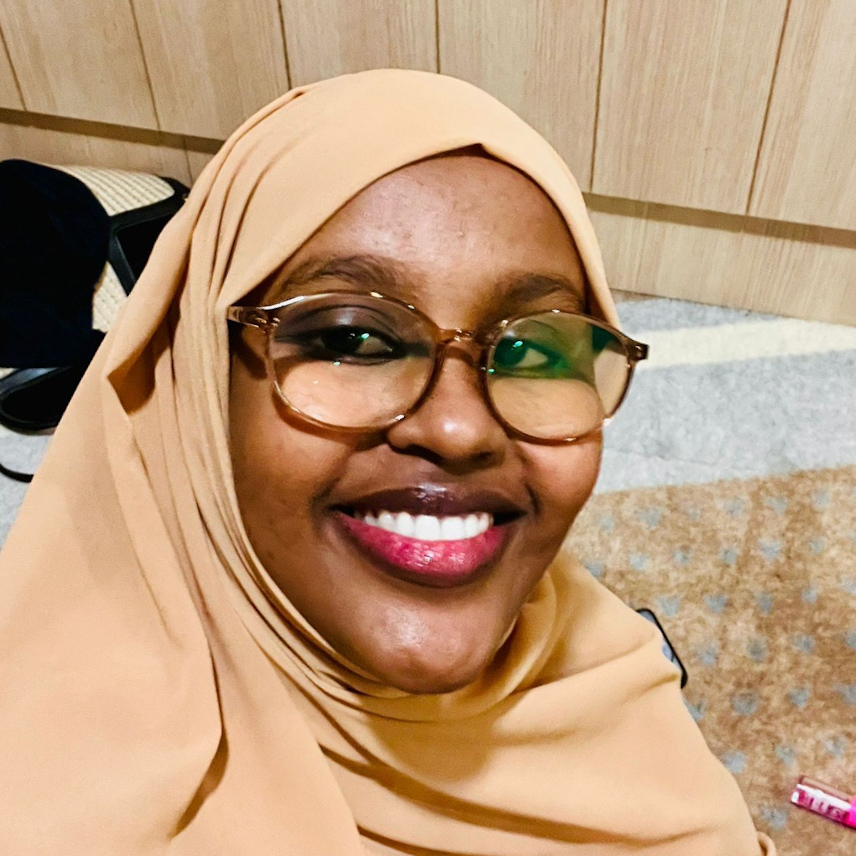
Najah Yassin Ahmed
Faculty

Najah Yassin Ahmed

نجاح ياسين أحمد

Hafidhah of the Noble Quran for five years now, she walks the path of knowledge with seriousness and constancy, and teaches from Djibouti. She holds firm grounding in the religious sciences — aqeedah, fiqh, adab, and hadith — which she studies with care and reverence. Today she continues her learning with dedication in the sciences of ādāb and ʿilm al-uṣūl, moved by a desire to understand the religion with depth, wisdom, and sincerity.

Teaches
Quran (hifdh & tajwid), ʿIlm al-Adab, Sirah, Fiqh, Arabic Language
Languages
English, Arabic, French, Somali
Ijazah
Quran — Hafs ʿan ʿĀṣim, Tajwid, ʿIlm al-Adab
آراء الطلاب
From Our Students

Voices from the cohorts.

— Quran Program

A genuine space of openness and attentive listening, offering thoughtful pedagogical support, beneficial reminders, and above all a Muslim community animated by kindness and concern for one another's well-being. The teachers are attentive and encouraging. I would also note that the learning happens at your own pace, without any sense of being out of step or out of place.

Ramla — France
— Tafsir Program

Studying Tafsir helps me genuinely understand the deeper meaning of the Quran beyond a surface reading. By discovering the context of the verses and the subtleties of the language, I can live my faith with greater clarity and apply its teachings more rightly in daily life. For me it is a way of nourishing my spirituality through real, grounded knowledge. May Allah reward those responsible for Rawdat Al-Ilm.

Ahlam — Turkey
— Quran Program — Qaida Nourania

MashaAllah, I truly appreciated the Qaida Nouraniya lesson, which is the main gateway to learning to read, memorise and apply tajwid to the Noble Quran. I encourage everyone to take part in it. I also warmly recommend this institute.

Miran Said — Egypt
— Tajwid Program

Alhamdulillah, I am truly grateful for the Tajwid classes. The instructor explains with great clarity, which allows me to follow easily. And whenever students struggle, he always takes the time to repeat and re-explain with patience. What I particularly appreciate is that he constantly draws on examples from the Quran, which makes the rules concrete and far easier to absorb. Ma sha Allah, may Allah reward him abundantly. Barak'Allahu fikum.

Charmakeh — France
— Aqeedah (Tawhid) Program

I had the chance to take part in the course on the Three Fundamental Principles (الأصول الثلاثة) and honestly it was a very beautiful experience. She explains with great patience and clarity, which makes the lessons enjoyable and easy to understand. You can tell she truly loves teaching and helping her students progress. Thank you for your kindness, your care, and your support throughout the course.

Halima — Djibouti
— Quran Program

Joining the Quran programme at Rawdat Al-Ilm has been a beautiful experience for me. The teachers are patient and kind, and they genuinely take the time to guide each student gently. Through their encouragement and their teaching, I have been able to progress with confidence and strengthen my bond with the Quran. I am very grateful to be part of this institute, and I recommend it wholeheartedly to anyone wishing to learn the Quran in a serious and caring environment.

Rabia — Tunisia
القبول

Apply for Admission

The institute welcomes anyone willing to learn — at any level, from any background, and with no prior knowledge required. Every application is read with care, and our team will help you find the right place to begin.

Apply for Admission Or message us on WhatsApp Have a question? Read the FAQ →
الأسئلة الشائعة
Common Questions

Frequently asked.

Who is eligible to apply?
The institute is open to anyone willing to learn, at any level and regardless of background or prior knowledge. There are no geographic restrictions. Whatever your starting point, you are welcome, and we will help you begin where your studies should.
I cannot read the Quran yet. Can I still join the Quran programme?
Yes. A two-to-three month Qaida Nourania course will be arranged first, teaching you to read the Arabic script. Once you complete it you join the Quran programme itself.
Is prior knowledge of Arabic required?
Not for the Arabic Language program, which begins at the foundational level. Students applying to Fiqh, Hadith, or other programs that depend on Arabic comprehension are expected to have a working knowledge of the language, or to enroll in the Arabic program first.
How are classes conducted?
Classes are delivered online through scheduled live sessions, with assigned readings and assessments between sessions. Recordings are provided for review, but live attendance is expected.
What is the time commitment?
Students should expect a minimum of five to seven hours per week per course, including class time, reading, and review. This is structured study, not passive consumption.
What happens after I apply?
Completed applications are reviewed by the admissions team. Applicants will be contacted within two to three weeks to confirm their place and help them choose the right level at which to begin.